Category Archives: Best of Modern Kiddo

60s Photographer Slim Aarons and the Beautiful People

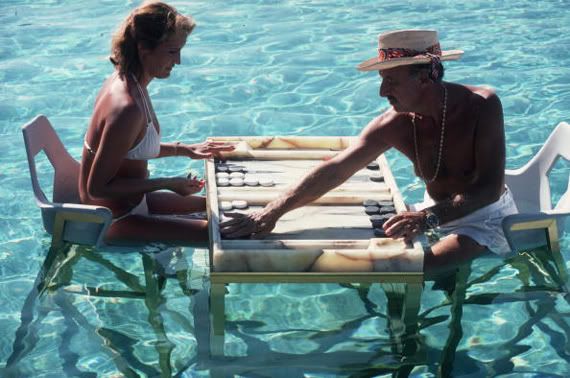
Gather round my friends! I’m on vacation, but I have a little fun eye candy to share. Have you seen the posh world of photographer Slim Aarons? If not I think you’ll love it. Slim’s camera lense perfectly captured the jet set glitterati of the 50s and 60s. His subjects were primarily upscale and wealthy, from young Hollywood starlets to Pucci-clad Italian princesses and WASPy American socialites. His photos have this amazing combination of day-in-the-life and other-worldliness. Let’s be clear though, this “day-in-the-life”  is a slice of life like no other! It has been said that Slim perfected the “environmental portrait,” so rather than having his subjects pose in the traditional stiff-n-formal manner, he featured people in their natural environment. Slim said it best, he photographed “attractive people doing attractive things in attractive places.” I love that. (I also love how I keep calling him Slim, like we were best pals or something…) Such a great way to have documented this lost era of style. 
His images have been very influential on modern day photographers—and while his work is often imitated, nothing beats the real deal.
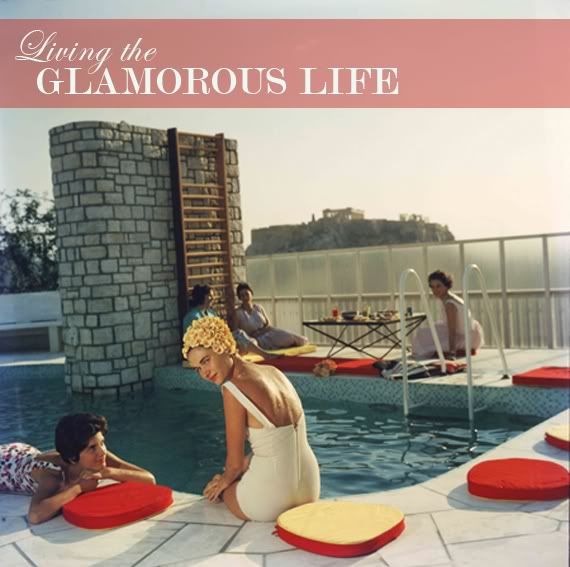
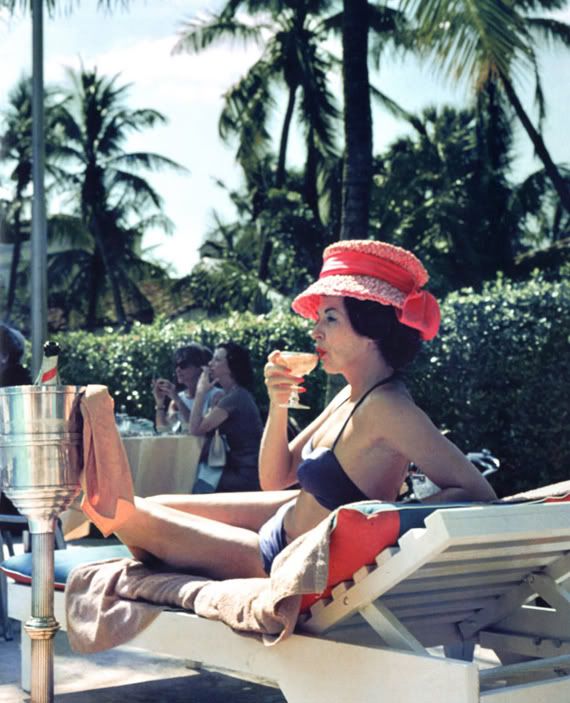
Here is the brilliant Babe Paley, chillin’ by the pool in 1959. I really love old socialite names…
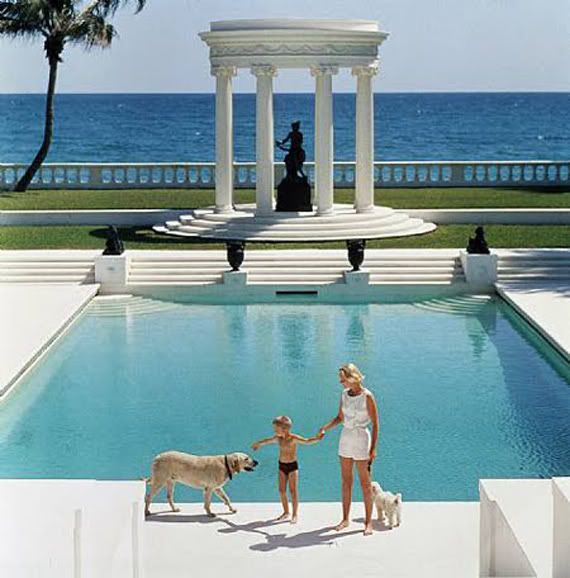
This is one of his most famous pieces, featuring American socialite CZ Guest wandering poolside with her little boy and their pups. (see? another grand name!)
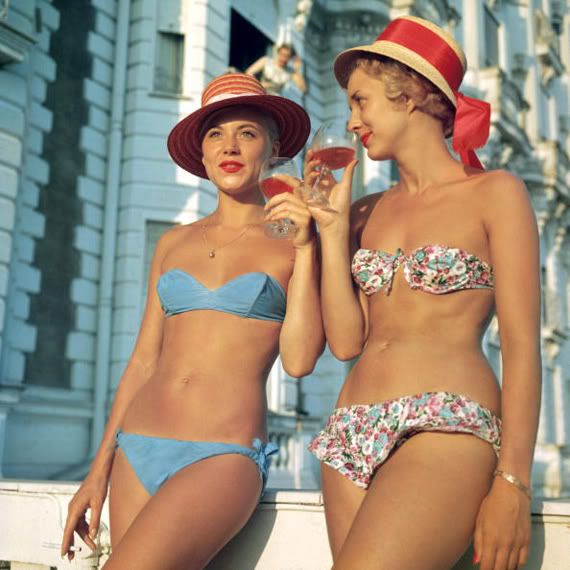
“Two bikini-clad holidaymakers enjoy a glass of wine outside the Carlton Hotel, Cannes.”
I wonder….is a holidaymaker like a freshmaker? I think I shall refer to myself as a holidaymaker from now on.

And apparently I must always carry a drink in hand.
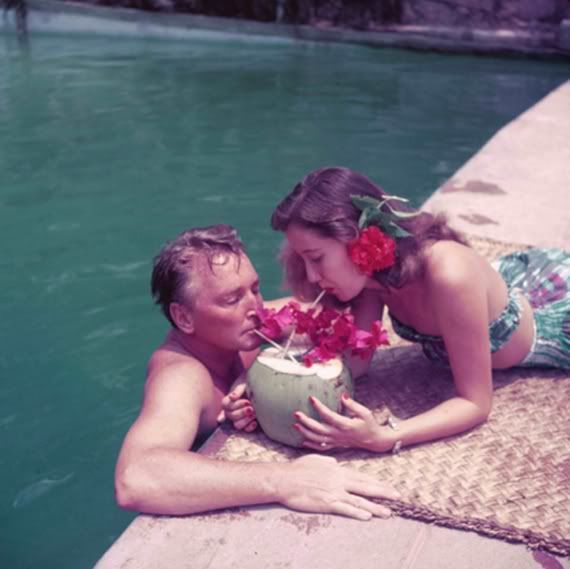
Oh, you crazy white people!
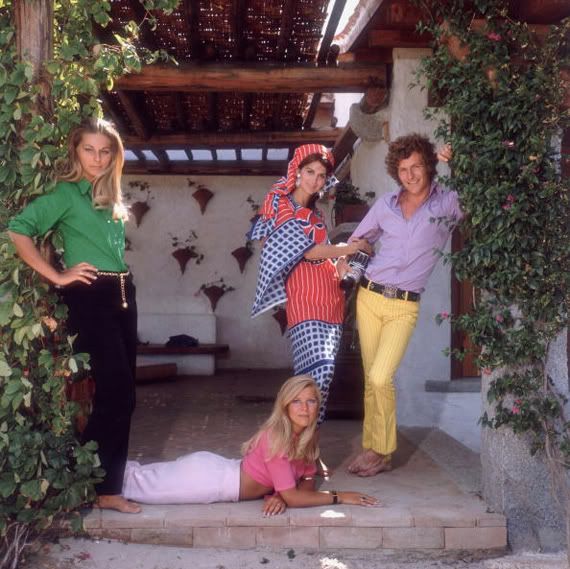
This must have been closer to the early 70s…the swingin’ young crowd. The names on the credits for this image are awesome:

“Circa 1970, British photographer Lord Lichfield holding a Hasselblad camera. On his arm is Marina Lante della Rovere, to the left is Ines Torlonia, and reclining is Signoria Gancia, Porto Ercole, Italy.”
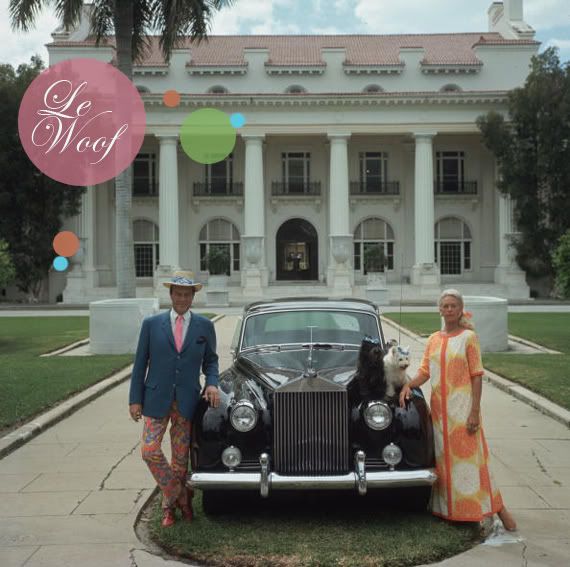
I love this “couple” shots. A rolls, two dogs and some far out psychedelic pants are all a fella really needs. I almost don’t even notice her glam lounge wear. Almost.

This next dapper gent kills me…so rich, so orange! And that’s quite a deep dish couch, m’lady is lounging on.
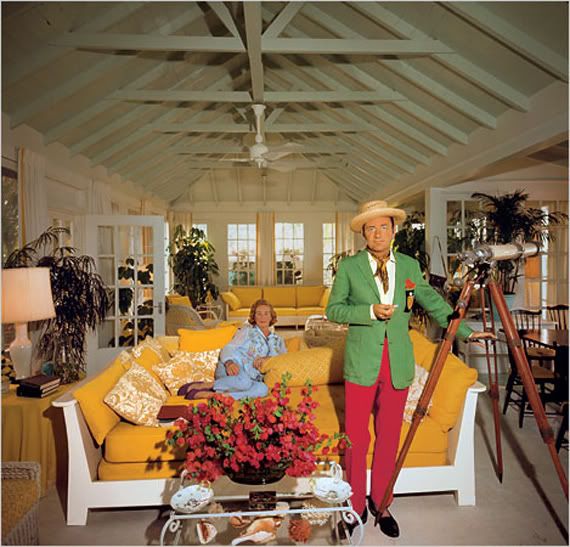
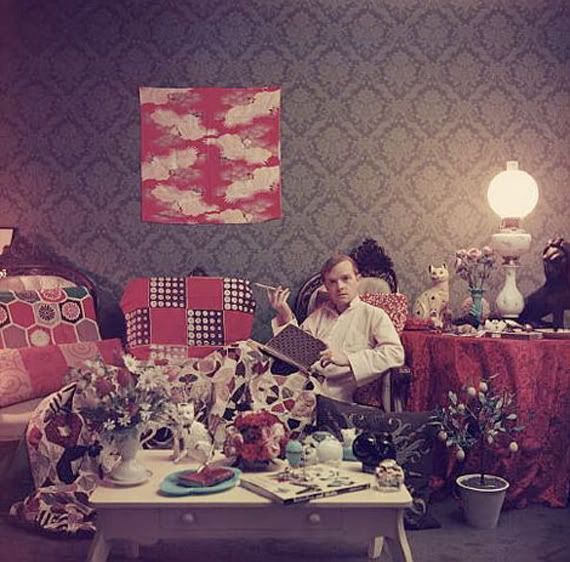
Slim photographed many well known “celebs” of the day. Here we have Truman Capote “relaxing with a book and a cigarette”. And five ceramic cats.
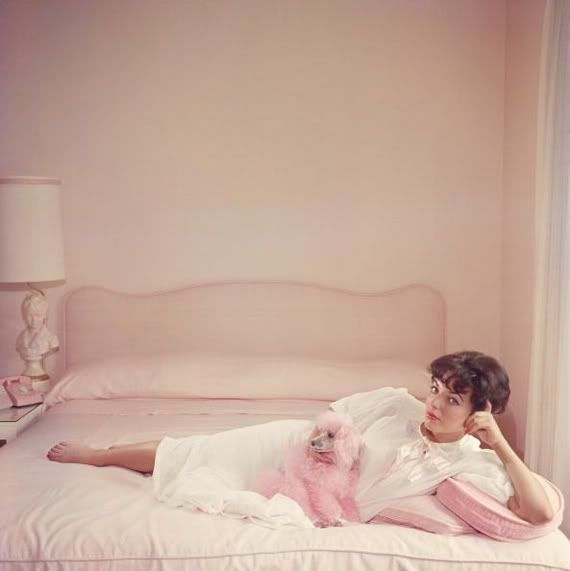
Yes. It’s Joan Collins. And yes. Her poodle is pink.
Mexican film starlet Dolores Del Rio and her itsy bitsy teeny weeny bandeau top.

And finally….
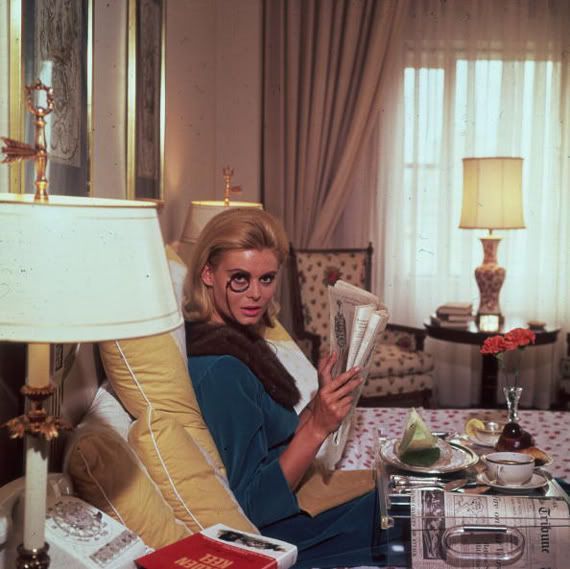
This is exactly how I take my breakfast—in bed, with my monocle and a slice of melon. FABULOUS!
Sigh. Call me crazy but I just love the weird WASP-y world of Slim Aarons.  Signing off, your intrepid Holidaymaker….

{Images and More Images}
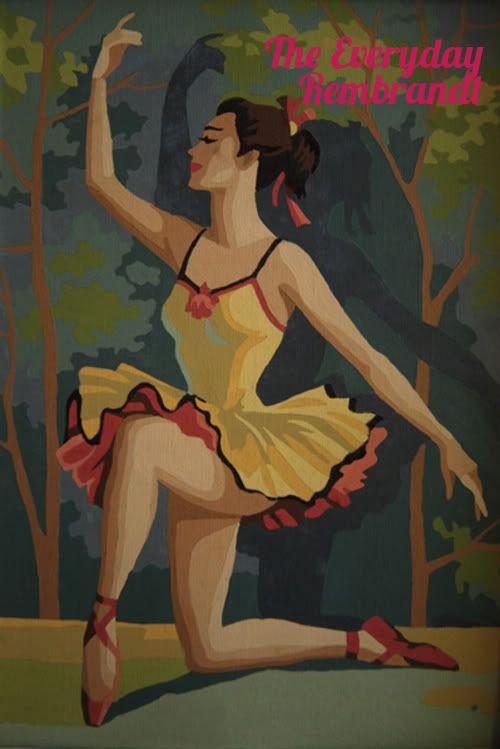
Vintage Monday :: Magical Paint By Numbers

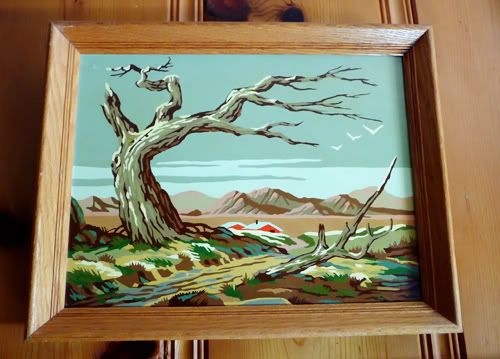
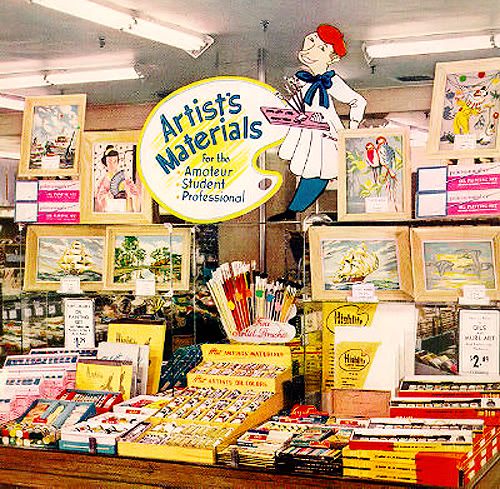
Ah paint by numbers! What was once a thrift store classic has now risen up in the ranks and become a coveted piece of Americana history. Friends, I don’t know if you’ve ever tried to actually PAINT a paint-by-numbers, but it ain’t easy! For those who don’t know, Paint-By-Numbers are black and white canvases bearing color-coded numbered areas for the “artist” to fill in with appropriate colors. The daintiest of paint brushes and a steady hand are critical. When done well, I think they have a uniquely haunting quality. There is just something about them that makes you look twice!

So how did paint-by-numbers become such a popular fad? Let’s take a little look see!

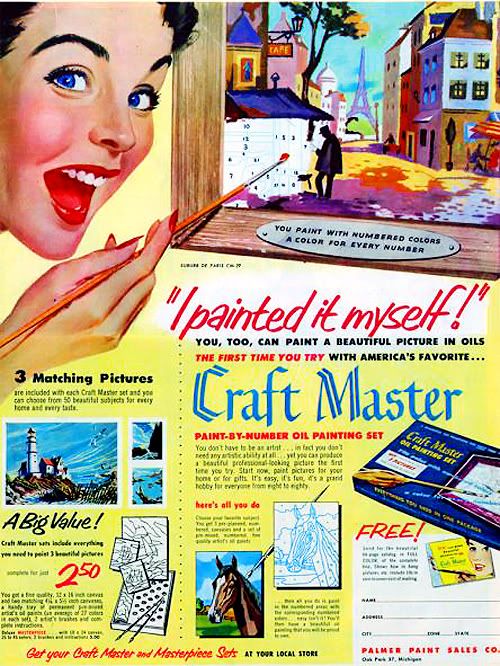
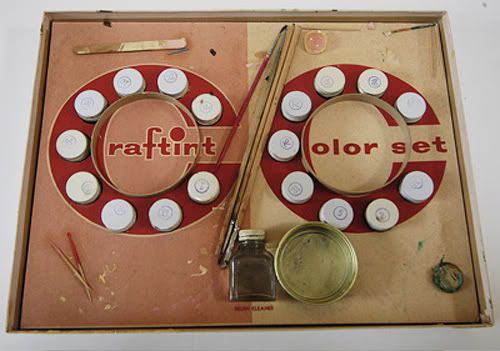
It all began at the Palmer Paint Company in Detroit, Michigan. They introduced the first paint-by-number kits under the label Craft Master at the New York Toy Show in 1951. Artist Dan Robbins (a Palmer Paint packaging designer) is credited with coming up with the idea and creating many of the initial paintings. Robbins was inspired by childhood memories of coloring books and Michelangelo—who famously assigned pre-numbered sections of the Sistine Chapel to his students to paint. The first Craft Master set was “The Fishermen” and included a rolled canvas stamped with the numbered outline of the scene, mini tubes of oil paint, and of course an artists palette.

Popular subjects ranged from moody landscapes and seascapes to playful animals, ballerinas and still-life floral bouquets. Paint-kit box tops proclaimed they would make, “Every Man a Rembrandt!”

Paint By Numbers were not a critical success—many saw “number painting” as not only a novelty but a symbol of the “mindless conformity” of 1950s America. At the same time, the general public embraced them whole heartedly. There was something extremely charming and appealing about the paintings. They invited people who had never held a paintbrush in their life to suddenly feel creative .

“Most people think paint-by-numbers was an immediate success. Not true! In the beginning we couldn’t give our sets away. It took almost two years to get our paint-by-number business off the ground. When we finally did, it took off like a rocket. All we could do was hang on for dear life.”   —Dan Robbins, What Ever Happened To Paint-By-Numbers?

By 1954, Palmer had sold an unbelievable twelve million kits. They eventually became so popular that the White House even hung paint-by-number canvases created by J. Edgar Hoover and Nelson Rockefeller in the West Wing corridor. Amazing!

As the years went by, and more competitors started popping up, the line expanded to include celebrity portraits (what I would do for a Liberace Paint-By Number!) and more “exotic” subjects, like Balinese dancers and more tropical landscapes.

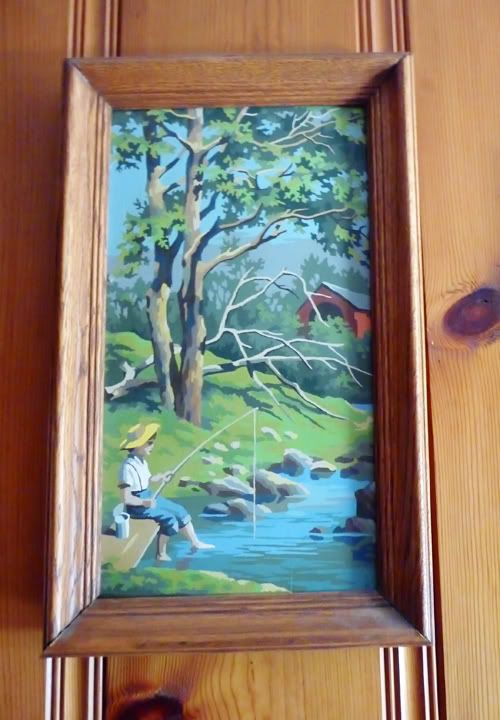
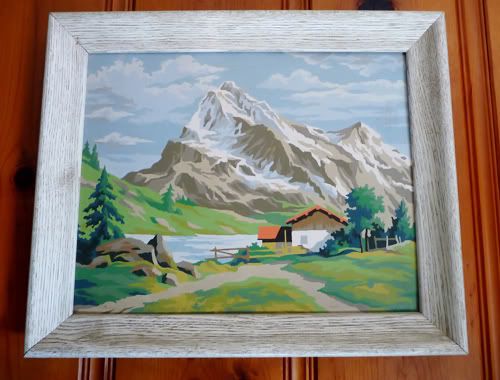
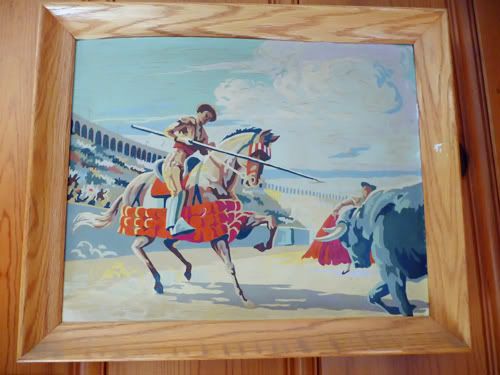
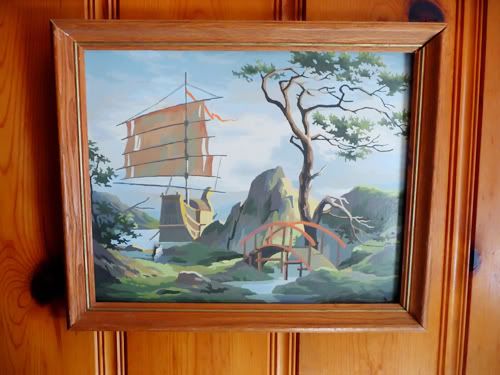
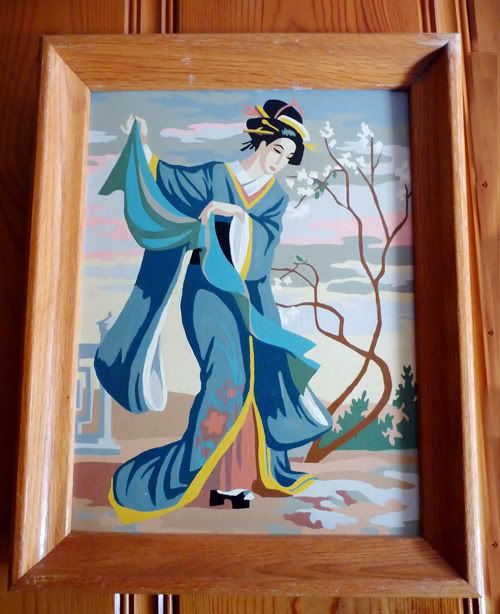
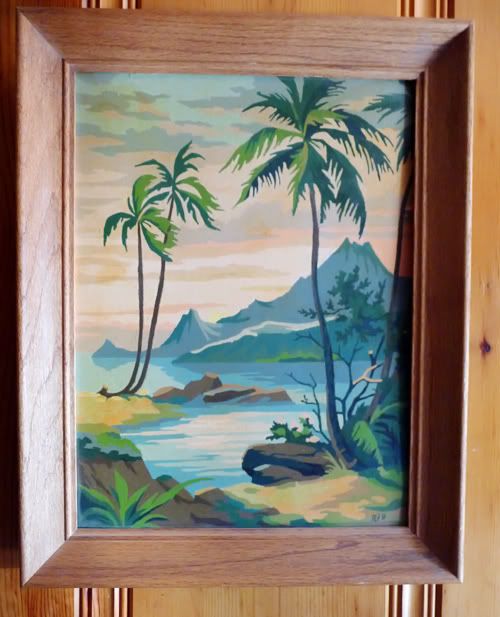
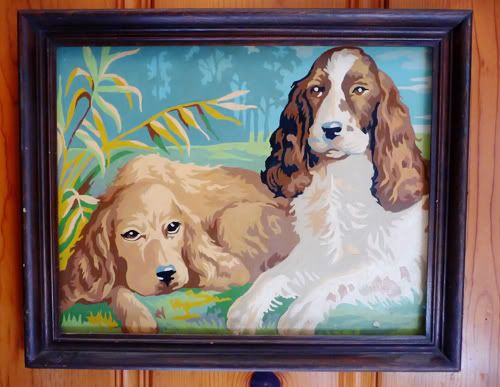
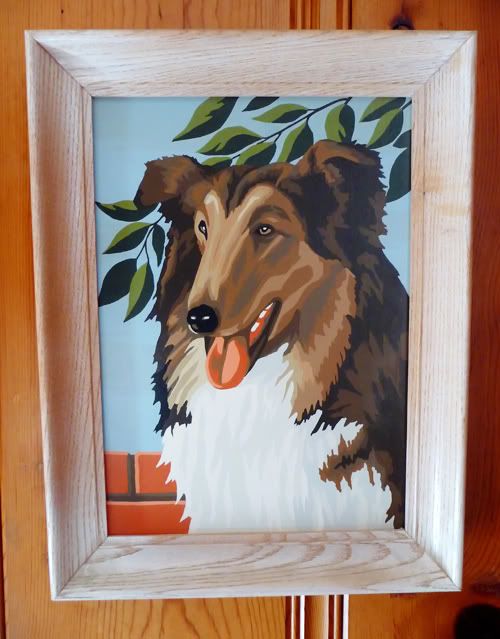
It’s interesting to note that while the original Craft Master kits were printed on rolled canvas, they eventually transitioned to the now-familiar press boards with light-blue outlines. They also switched to acrylics rather than oil paint. The original canvas paint-by-numbers are highly sought after and often worth more than their press board counterparts. I still love them all! Here are some from my own personal collection:

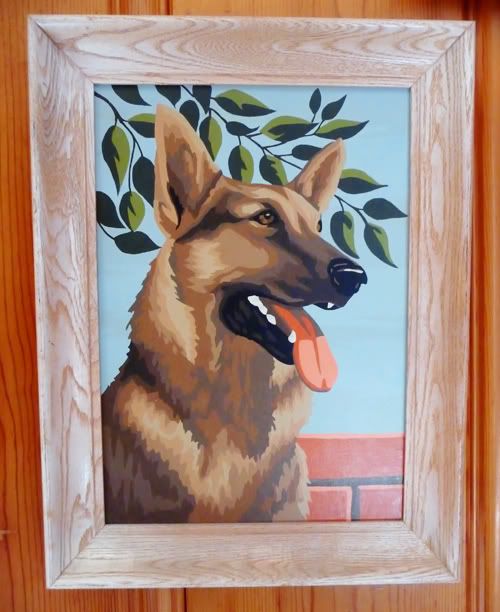
The “Far East dancers” and the doggies are my favorite….please note that the fella that completed the one above “signed” it. I love that.

In the 1970s and 80s, the sets started to get a little more childishly kitschy….teddy bears, Snoopy and even TV shows like Mork and Mindy got the “PBN” treatment. While I love my 70s kitsch, I think these later versions are no where near as cool as the originals. The originals were attempting to be authentic—there was nothing tongue-in-cheek about them. Nothing beats the subtle elegance of a stoic collie or a dramatic sunset on a western prairie.

I love our paint by numbers and especially love to think of the back story each carries. Who was the intrepid artist who lovingly and painstakingly dabbed color onto canvas? It intrigues me no end! Paint-by-numbers are much harder to find in the thrifts today, and have moved up the ranks to be a genuine collectible.

And to lend a little credibility to their place in American history, there was a Paint By Numbers exhibit several years ago in 2001 at the Smithsonian. Not too shabby.

Read more at Collectors Quest and the PBN Museum.

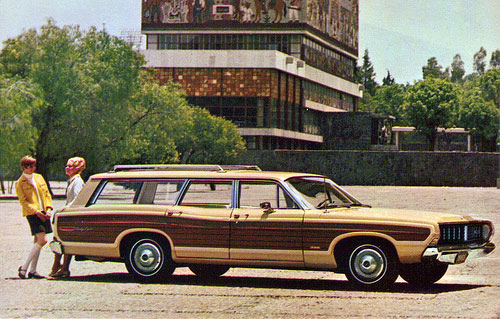
Vintage Road Trip:: Station Wagons.


Image via: Lennoxnehar

Before there was the mini-van, there was the station wagon. And all was right in the world.

For many people, summer brings back memories of family vacations, which for most people in America usually involved some time spent in a car and that car was usually a station wagon.

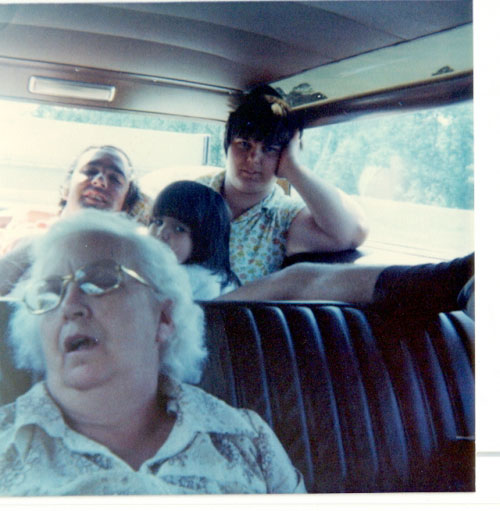
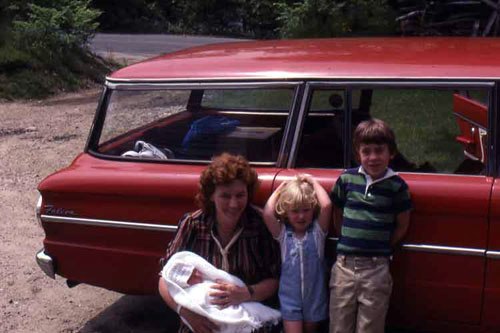
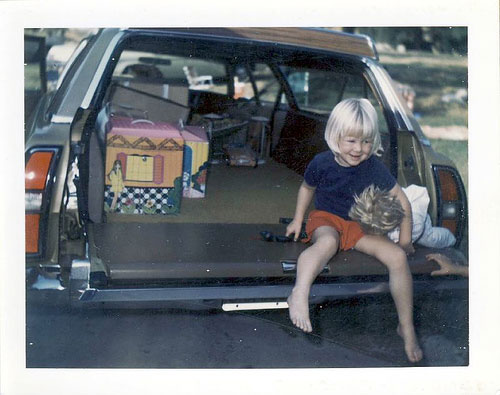
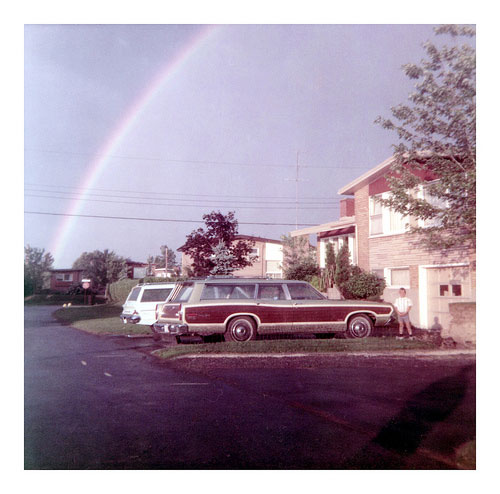
I remember trips to Cape Cod in the family station wagon.  Towing a fishing boat no less. All of the boys crammed into the middle seat and me all the way in the back seat with the cat and the cooler and my Raggedy Anne. I mean, really. If you looked at your family photo albums, I bet you probably have a photo somewhere in there that looks like this:


Images via: Station Wagon Forums and Lah Rah.

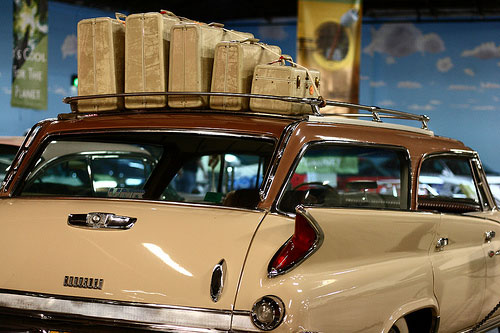
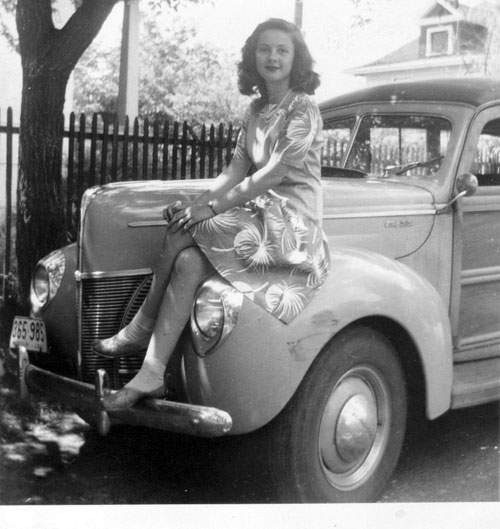
But before the station wagon became the family car that millions of teenagers learned to drive in and make out in the back of, it was more of a transportation vehicle for people traveling on trains in the thirties.  The modified back ends that made them “depot hacks” were necessary to carry large amounts of luggage – everyone traveled by train then, remember, and you needed a car that could comfortably carry people and large amounts of luggage from the train station to home–as opposed to a truck.


Image via: Traveling mamas.


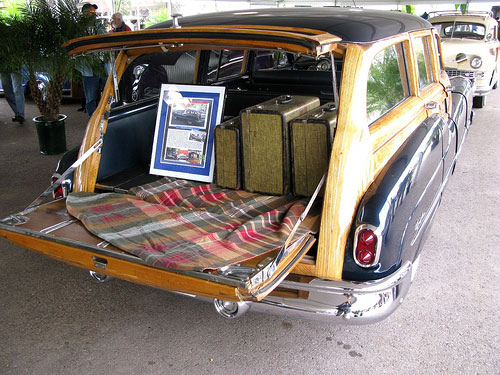
Image via: Flickr user gem66

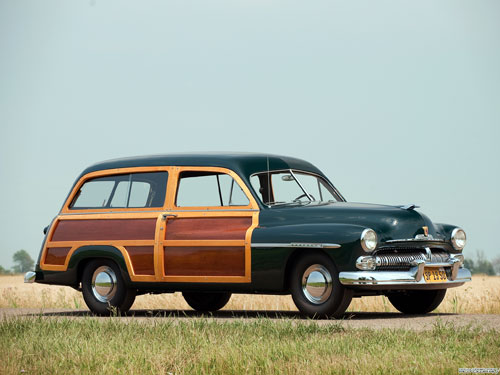
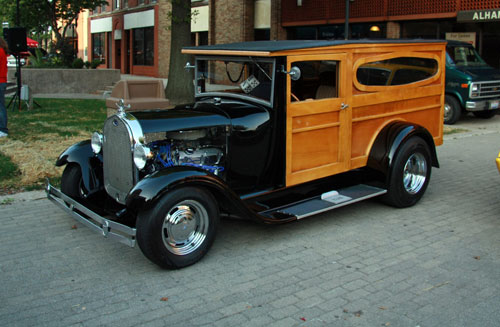
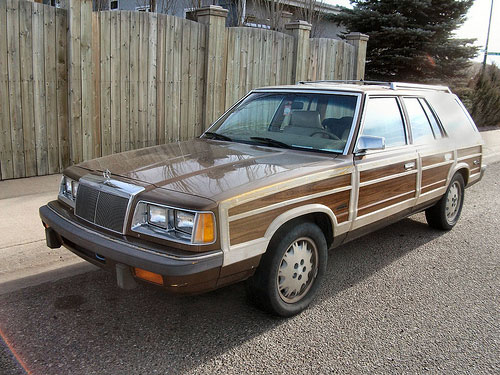
One of the most popular early station wagons pre-WW II was the Woodie. They were made with real wood–hence the name and harkened back to when people used wooden coaches to transport large groups of people. And they are gorgeous aren’t they?


Image: Akeem’s blog.


Image: Curbside Classic.


Image: Nihat’s blog.

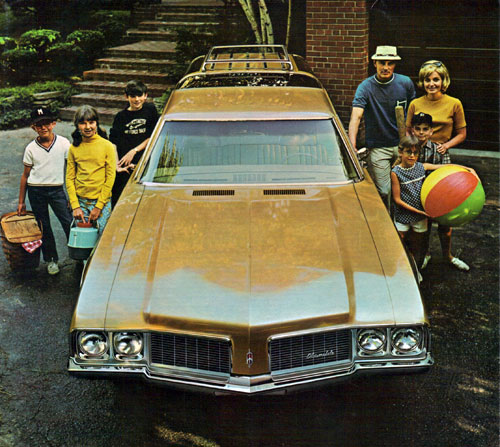
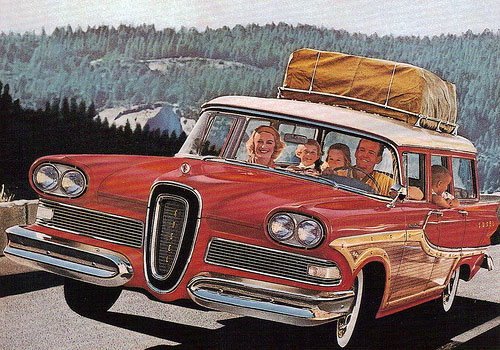
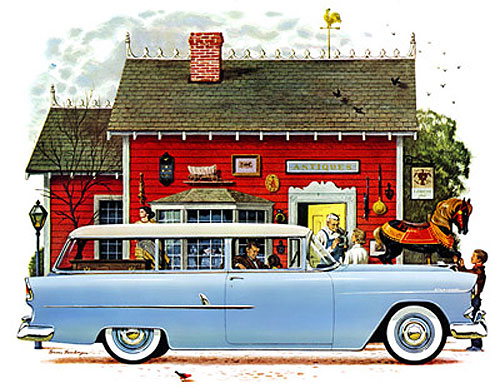
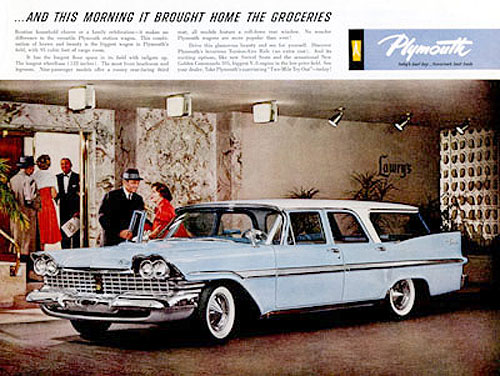
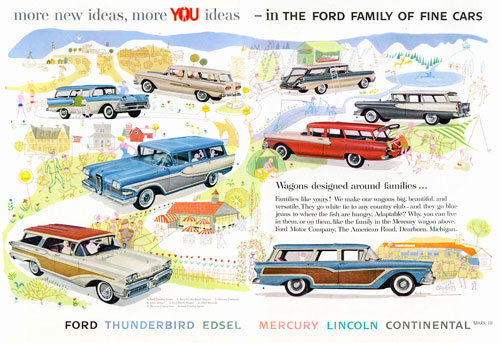
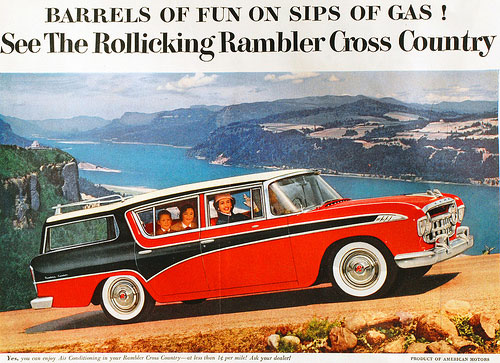
But the real golden age of the station wagon was during the 1950s, when baby boomers’ parents needed something to travel on all those new highways in style! I love the ads the most! Every family had one! And the wood was replaced with steel although of course faux wood paneling was still popular for many years.


Image: 55 Classic Chevy


Image: Adclassix


Image: Forum.love-fords.org


Image via: Paulmanon


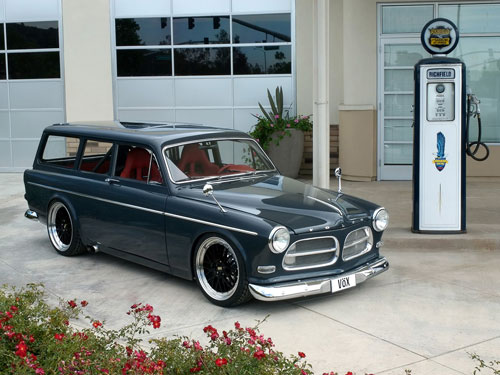
The sixties, we started to see more European versions, like this sweet Volvo.


Image via: Fontaine Maury.


Image via Flickr.

But the “wood paneling” stayed .. And the station wagons started to get smaller (think Pinto) but still were loved.


Image via: carsdirect.com

But the 80s were tough on the iconic gas guzzling station wagon and the mini-van pretty much signaled the death knell for these gorgeous cars, but that doesn’t mean we can’t still love them.  Vintage station wagons are still available and you can’t help but smile when you see one on the road and perhaps think back to your own childhood.


Image via: Striderv

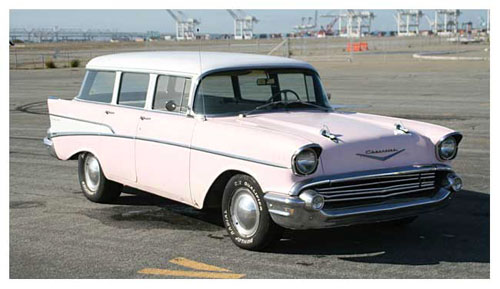
But before I go, I must admit, I’m not just a fan of vintage station wagons, I’m a co-owner too!

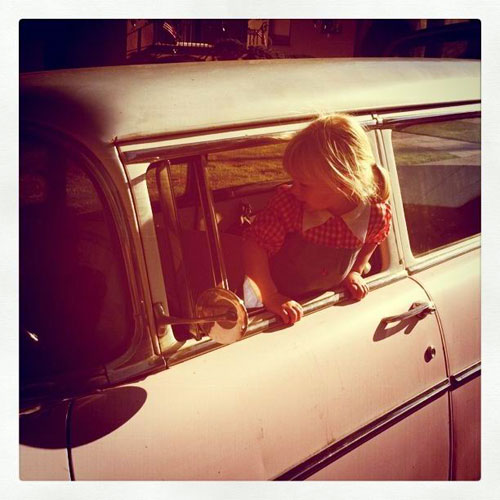
We bought this sweet car the first year of our marriage with dreams of fixing it up and filling it with our kiddos for our own road trips.  And it is pink. How can you not love that? Right now it is getting more of a work out as the Peach’s playhouse, but we have dreams of future cross country trips in that beauty.

Here’s to future road trips!

PS: Speaking of road trips—our girl Jenny at Frecklewonder is having a blast of one. I highly recommend you check out the pix in progress on her Instagram (“frecklewonder”)!


http://www.google.com/imgres?imgurl=http://www.55classicchevy.com/images/55Chevy-ad-6.jpg&imgrefurl=http://www.55classicchevy.com/1955-chevrolet-classic-car-video-clips-7.html&usg=__LeQYmILjNcpgPWSasWHWAx_ottE=&h=310&w=400&sz=66&hl=en&start=0&zoom=1&tbnid=6oOwt6jwzwE8xM:&tbnh=132&tbnw=170&ei=xt0TTsHxFOnKiAKQm4GHDg&prev=/search%3Fq%3Dvintage%2Bstation%2Bwagons%26hl%3Den%26safe%3Doff%26client%3Dfirefox-a%26hs%3Dose%26rls%3Dorg.mozilla:en-US:official%26biw%3D1280%26bih%3D870%26tbm%3Disch&itbs=1&iact=hc&vpx=993&vpy=301&dur=450&hovh=132&hovw=170&tx=126&ty=96&page=1&ndsp=27&ved=1t:429,r:26,s:0

Vintage Road Trip :: Going Nuts Over The Nut Tree


Driving from San Francisco down to Sacramento, I was always transfixed by a set of groovy signs in Vacaville, California. The graphics were fabulous and the names were even more intriguing. Take a look:


image: hm david

What was the story behind these buildings? I knew I had to investigate.

It all started with a small roadside fruit stand in 1921 alongside what was then the Lincoln Highway. At the heart of this little cluster of buildings was The Nut Tree. Established in March of 1965, The Nut Tree was a little oasis located at the interchange of Interstate 80 and 505 . It’s convenient roadside location was a welcome rest stop for travelers making the drive between Sacramento and the San Francisco Bay Area. This was no typical roadside pitstop, however. Open from 6 a.m. to midnight and serving up “imaginative food in a contemporary setting for California’s highway travelers,” the Nut Tree was a destination!

The key here is the phase, “a contemporary setting”. They weren’t kidding.

The master mind behind the genius of the Nut Tree was Don Birrell. Don (as I like to call him) took over as graphic design director in 1953 and ushered in a new era of bright, beautiful California modernism. Colorful! Quirky! Stylish! The Nut Tree had it going on.

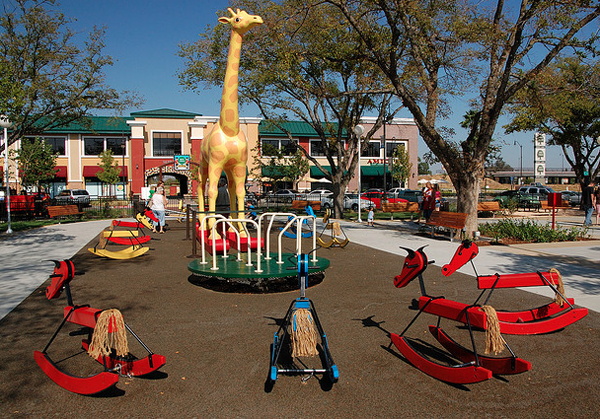
While The Nut Tree wanted to maintain a colorful elegance, it was a family friendly place. There was plenty for kiddos to do: they could watch a show at the puppet theater, hop on the little red train that circled the property, rock back and forth on giant hobby horses and gorge on homemade lollipops and honey-baked cookies shaped like bears, hot-air balloons or giraffes.


image: Cathy of California

These hand rolled candy sticks look so colorful and cool!

A trip to Denmark in 1957 gave Birrell the idea of designing the Nut Tree’s patio area to resemble the Tivoli Gardens with special lighting and kiosks. While The Nut tree featured a gift shop, a toy shop, an airport and a wee railroad (that gave rides from the toy shop to the airport, of course) the true star was the restaurant.

Tables were carefully set using stylish Dansk silverware, and the chic dish pattern he created was eventually featured in New York’s Museum of Modern Art. The very visual Birrell had the tables set with individual peppermills and menu items were often served on a leaf or decorated with an orchid blossom, all plated exactly as he designed it.

Don Birrell even brought Eames chairs to dining room —and eventually sold them in the Toy Shop (gift shop). For a time, The Nut Tree was the sole retailer on the West Coast for Eames furniture!


image: siwojima

The  official Nut Tree Restaurant was considered an early pioneer of California cuisine, with “exotic” fresh fruits and vegetables featured prominently in the recipes.

The place had really vibrant, colorful decor….take a look at these fantastic, embroidered wall hangings. The one on the left was by Jean Ray Laury the one on the right by Charlotte Patera.

Celebrities and locals alike mingled on the stylish grounds. The Nut Tree played host to celebrities and politicians such as Bing Crosby, Danny Kaye, Richard Nixon and even Queen Elizabeth II.

Alas, the Nut Tree closed its doors in 1996 due to financial problems and the dreaded family feud. The main buildings (including the Coffee Tree diner, which was across the street) were demolished. So sad! This story does have a happy ending, however. In 2009 The Nut Tree reopened! Attractions include the Nut Tree Railroad, Carousel, and other historical elements of the first Nut Tree, as well as firepits, signboards, and the ice cream pavilion. They’re even making the famous frosted honey cookies at the new Vintage Sweet Shop. And of course….the hobby horses are still rockin’ and rollin’. I think we’re going to have to pay them a visit!

 photo Nut_Tree_9b.png
Special thanks to AlamedaInfo for the beautiful collection of photos.

Vintage Flashback:: Big Wheels Keep On Burning!

Oh, the Big Wheel.


Image via The Cabin.

Do you remember that very specific gritty sound it made while your rode it? Plastic meeting concrete? So wonderful.

Even more awesome than an Eames Chair.

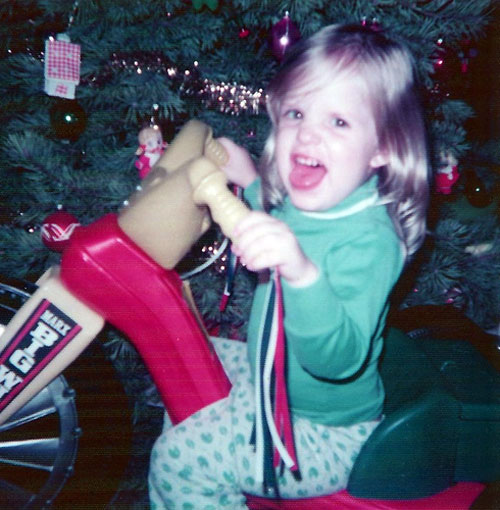
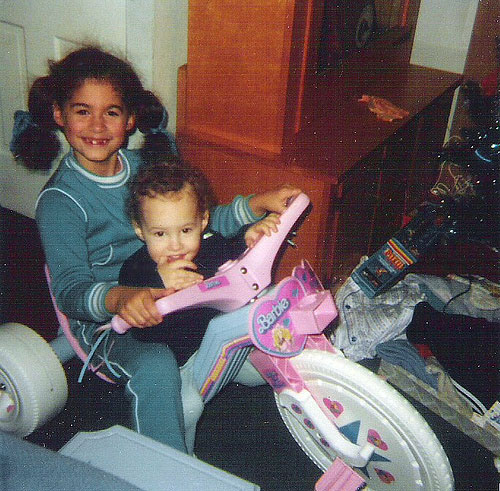
I remember seeing mine under our glorious snow-flocked Christmas tree gleaming in the California winter sun.  I almost swooned with joy.  I know this girl’s unbridled joy.


Image via: melinnis.

If you think about toys from the seventies, I bet the Big Wheel comes to mind pretty quickly. As it should. It seems to always be in the background of many a photo taken during that time period.


Image via: The Season of Plums and Cobblestones.

Heck, it was even featured in The Shining as the kid’s favorite mode of transportation around the hotel. Perhaps the twin girls wanted to take a ride?

Really, who could resist the wonders of the Big Wheel? Not even CAPTAIN CRUNCH!

Introduced by the Marx company in 1969, the Big Wheel became hugely popular in the U.S. partly because of its low cost to make and secondly because consumer groups said it was a safer alternative to the traditional tricycles of bikes since it was so low to the ground.


Image via: Deco Dog.

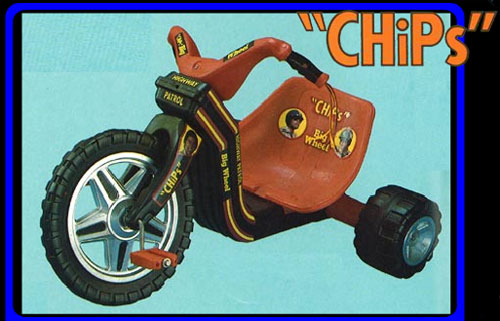
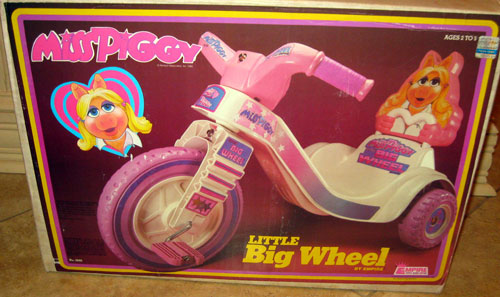
And thirdly, there were so many version you could buy!

(note the little seat up front, so your Barbie could roll in style with you…)

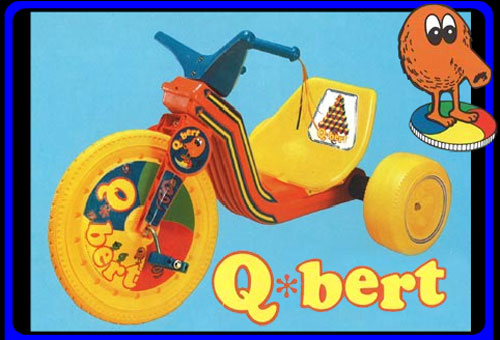
Oh, and don’t worry, they did have one for you Qbert fans out there. All four of you.


Images via: Original Big Wheel, Muppet Wikia, and Val*Jean.

Yes, you can buy a big wheel now for your kiddo.  But for the young at heart, there is BYOBW—Bring your own Big Wheel race down the world’s most crooked street in San Francisco. And it looks to be one part spectacular and one part terrifying.


But next year, I’m going!